

Why Is My Nose Blocked When I Lie Down?
A nose that feels clear during the day can become stuffy as soon as you get into bed. Body position, reduced mucus drainage, bedroom allergens and existing nasal inflammation can all make congestion feel worse at night.

Your nose may become blocked when you lie down because gravity no longer assists mucus drainage in the same way, while blood flow and swelling inside the nasal passages can become more noticeable. Allergies, sinus inflammation, dry air, reflux, the nasal cycle and structural narrowing may also contribute.
Why does nasal congestion feel worse when you lie down?
Nasal congestion does not always mean that the nose is completely filled with mucus. The feeling of blockage is often caused by swelling of the blood-rich tissues lining the nasal passages.
When you are upright, gravity can assist the movement of mucus towards the throat or out through the nose. When you lie flat, drainage may become less effective and existing inflammation can feel more noticeable.
Blood distribution and pressure within the tissues can also change with body position. This may increase the sensation that the nasal passages are narrower, particularly when they are already irritated by allergies, illness or dry air.
It is not necessarily “all in your head”: changing from standing to lying down can genuinely alter how mucus drains and how swollen nasal tissues affect airflow.
Common reasons your nose becomes blocked at night
Reduced mucus drainage
Lying flat can make it harder for mucus to drain, particularly when the nose or sinuses are already inflamed.
Bedroom allergies
Dust mites, pet dander, mould and other allergens around bedding may trigger swelling, sneezing or a runny nose.
The nasal cycle
Airflow naturally alternates between the two sides of the nose. Lying down can make the narrower side feel more obvious.
Rhinitis
Allergic or non-allergic rhinitis can cause persistent swelling, congestion, sneezing and post-nasal drip.
Cold or sinus inflammation
A respiratory infection can increase mucus and swell the lining of the nose and sinuses.
Structural narrowing
A deviated septum, enlarged turbinates or nasal-valve narrowing may make night-time blockage more noticeable.
Could your bedroom be contributing?
Symptoms that appear mainly in bed may be linked to something in the sleeping environment. Dust mites commonly live in mattresses, pillows, carpets and upholstered furniture. Pet allergens may also remain in bedding even when an animal does not sleep in the room.
Very dry air can irritate the nasal lining, while excess moisture can encourage mould growth. Strong fragrances from candles, cleaning products or laundry products may trigger non-allergic rhinitis in some people.
| What you notice | Possible explanation | Useful next step |
|---|---|---|
| Sneezing, itching or watery eyes in bed | Bedroom allergen exposure | Review bedding, dust, pets and possible mould |
| Thick mucus with a recent cold | Temporary infection or sinus inflammation | Hydration, saline and appropriate symptom care |
| The lower nostril blocks while side sleeping | Position and the normal nasal cycle | Change sides or elevate the head slightly |
| The same nostril remains blocked | Possible structural narrowing | Consider a medical or ENT assessment |
| Congestion with heartburn or throat irritation | Possible night-time reflux contribution | Discuss persistent symptoms with a clinician |
Why does only one nostril become blocked when lying down?
It is common for the nostril facing down towards the pillow to feel more congested. When you change sides, the feeling may gradually switch to the other nostril.
This often relates to the nasal cycle and the effect of body position on the tissues inside the nose. The nasal cycle is a normal process in which one side temporarily carries more airflow while the other side becomes slightly narrower.
Read the full On The Nose Co. guide: Why Can I Only Breathe Through One Nostril?
When is one-sided blockage less likely to be normal?
A nostril that is always restricted, regardless of position or time of day, may be affected by a deviated septum, enlarged tissue, nasal-valve narrowing, a polyp or another form of obstruction.
Persistent one-sided blockage should be assessed, particularly if it is accompanied by bleeding, facial pain, unusual discharge or a lasting reduction in smell.
Does sleeping position affect nasal congestion?
Sleeping on your back
Lying flat on your back may make mucus drainage less effective. It may also worsen symptoms of non-allergic rhinitis or night-time reflux in some people.
Sleeping on your side
Side sleeping may cause the lower nostril to feel more congested. The upper nostril may feel clearer because of positional changes in the nasal tissues.
Elevating your head
Raising the head slightly may help some people feel less congested by supporting drainage and reducing the effects of lying completely flat. The position should still be comfortable and properly support the neck.
How can you reduce a blocked nose when lying down?
The right approach depends on the underlying cause. These general steps may help with mild or temporary night-time congestion.
Try a saline spray or rinse
Saline may help moisturise the nasal passages and clear mucus or allergens. Follow the product directions and use properly prepared water for nasal rinsing.
Elevate your head slightly
A comfortable incline may support drainage and reduce the sensation of congestion caused by lying completely flat.
Reduce bedroom allergens
Wash bedding regularly, vacuum dust, address visible mould and keep pets away from pillows and bedding when allergies are suspected.
Keep the room comfortably humid
Very dry air may irritate the nose, but excessive humidity can encourage mould and dust mites. Aim for a comfortable balance.
Avoid smoke and strong fragrances
Cigarette smoke, vaping, candles, perfumes and cleaning sprays may irritate sensitive nasal tissues.
Address allergies appropriately
A pharmacist or doctor can advise whether an antihistamine, nasal spray or another treatment is appropriate for your symptoms.
Can nose strips help a blocked nose at night?
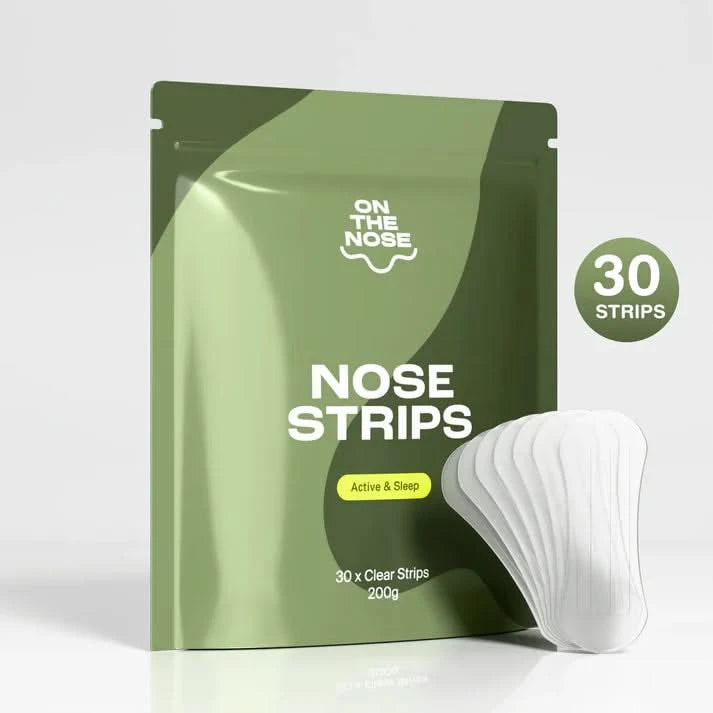
External nose strips gently lift and support the outer sides of the nose. Some people find that this makes airflow through the front of the nasal passages feel easier while lying down.
Nose strips may be more useful when restriction occurs near the nostrils or nasal-valve area. They do not remove mucus, treat allergy inflammation, cure an infection or correct a major structural problem.
Learn more in the On The Nose Co. science guide: Do Nose Strips Actually Work?
Support Your Night-Time Nasal Breathing
On The Nose Co. Active & Sleep Nose Strips provide simple, drug-free external support for the outer nasal walls. Each pack contains 30 hypoallergenic, latex-free strips designed for up to 12 hours of wear.
Explore Nose StripsShould you use a decongestant nasal spray?
Some decongestant sprays provide short-term relief by reducing swelling in the blood vessels inside the nose. They are not suitable for everyone and should only be used for the recommended period.
Overusing certain decongestant sprays can lead to rebound congestion, where the nose becomes blocked again as the medicine wears off. Ask a pharmacist or doctor before using one if you have an existing health condition, take medication, are pregnant or have persistent symptoms.
Can night-time nasal congestion affect sleep?
Difficulty breathing comfortably through the nose may make it harder to settle, contribute to mouth breathing or lead to repeated waking. Congestion can also make existing snoring feel worse.
Nasal blockage is not the only cause of snoring or disrupted breathing during sleep. Narrowing can also occur around the tongue, soft palate and throat.
Explore the On The Nose Co. Complete Guide to Snoring for more information about possible causes and warning signs.
Watch for signs of sleep apnoea
Seek medical advice if congestion or snoring is accompanied by witnessed breathing pauses, choking, gasping, morning headaches, significant daytime tiredness or difficulty staying awake.
Nose strips and other consumer breathing products are not treatments for obstructive sleep apnoea.
When should you see a doctor?
Arrange medical advice when congestion continues for several weeks, repeatedly disrupts sleep, remains on the same side or does not improve after a cold or temporary trigger has resolved.
Seek assessment sooner if you experience:
- Persistent blockage affecting only one side.
- Repeated or unexplained nosebleeds.
- Blood-stained or unusual nasal discharge.
- Severe facial pain or swelling.
- Swelling around an eye or changes in vision.
- A persistent reduction or loss of smell.
- High fever or symptoms that are becoming worse.
- Serious difficulty breathing.
The bottom line
Your nose may feel more blocked when you lie down because body position changes mucus drainage and makes swollen nasal tissues more noticeable. Allergies, rhinitis, infection, dry air, reflux and structural narrowing can intensify the problem.
Small changes such as saline, head elevation and reducing bedroom allergens may help. External nasal strips may also support airflow near the front of the nose for some people.
Congestion that is persistent, severe, one-sided or regularly disrupts your sleep should be discussed with a qualified healthcare professional.
Frequently asked questions
Why does my nose block as soon as I lie down?
Lying down can reduce mucus drainage and make swelling inside the nasal passages more noticeable. Allergies, rhinitis and existing congestion can increase the effect.
Why does one nostril block when I sleep on my side?
The nostril closest to the pillow may feel more congested because of body position and the normal nasal cycle. The blockage may gradually switch when you roll onto the other side.
Why is my nose blocked at night but clear during the day?
Night-time position, reduced drainage and exposure to bedroom allergens may make congestion more obvious after you get into bed.
Can dust mites cause a blocked nose at night?
Yes. Dust-mite exposure can trigger allergic rhinitis, including sneezing, itching, a runny nose and congestion. Dust mites commonly live in mattresses, pillows and bedding.
Does sleeping with your head elevated help congestion?
A comfortable elevation may help some people by supporting mucus drainage and reducing the effects of lying completely flat.
Can a deviated septum feel worse when lying down?
Yes. An already narrow passage may feel more blocked when surrounding tissues swell because of position, allergies or a cold.
Can nose strips help congestion at night?
Nose strips may support the outer nasal walls and make the front of the nasal passages feel more open. They do not treat the underlying cause of congestion.
Why does changing sides unblock my nose?
Changing sides alters which nasal passage is lowest. Combined with the nasal cycle, this can gradually change which nostril feels more congested.
Can reflux cause a blocked nose at night?
Night-time reflux may contribute to non-allergic rhinitis symptoms in some people. Persistent congestion with reflux symptoms should be discussed with a healthcare professional.
When should night-time congestion be checked?
Seek advice when it lasts for several weeks, repeatedly affects sleep, remains on one side or occurs with bleeding, severe pain, unusual discharge or breathing pauses.
References
- Cleveland Clinic. Why does my nose get stuffy at night? View clinical guidance .
- Cleveland Clinic. Why do I sometimes get congested in one nostril? View clinical guidance .
- NHS. Allergic rhinitis. View NHS guidance .
- NHS. Non-allergic rhinitis. View NHS guidance .
- Cleveland Clinic. Nasal obstruction: symptoms, causes and treatment. View clinical guidance .
- Mayo Clinic. Nasal congestion: when to see a doctor. View Mayo Clinic guidance .