

The best recovery tools for runners in Australia
Six popular tool categories compared by portability, control, cost and the job they actually do—without pretending any device can replace training, food or sleep.
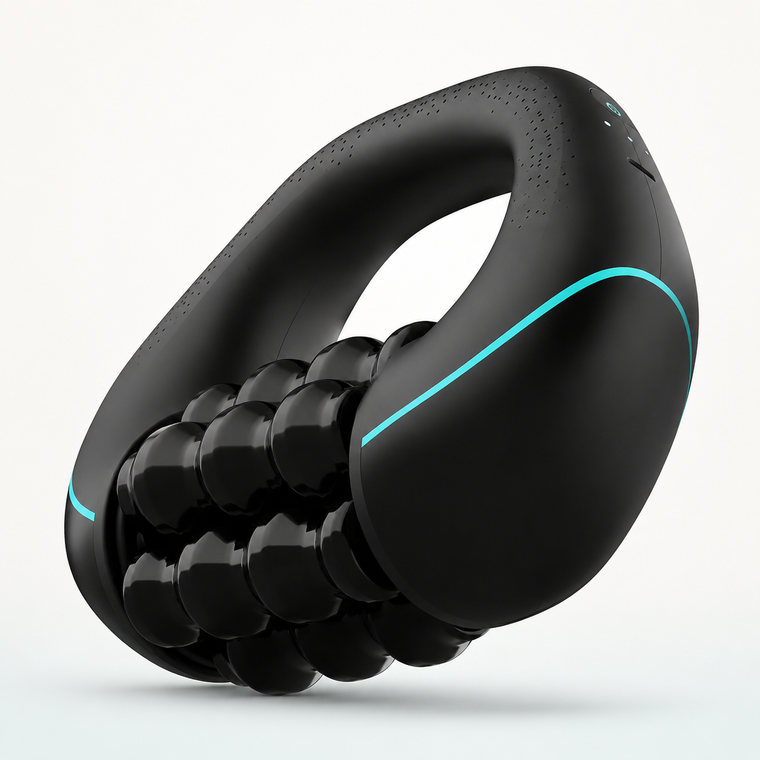 Editor's commercial pick
Match the tool to your running life
Choose the factor that matters most. The result is a starting point—not a medical recommendation.
What matters most?
Tap one priority to see the strongest category match.
Six runner recovery tools compared
Ranked by everyday usefulness for a typical runner—not by claims of treating injury or accelerating tissue healing.
Powered rolling massager
Combines guided pressure with powered rollers. Useful when you want controlled passes over healthy calves, quads or hamstrings without floor-based rolling.
Foam roller
A simple floor-based option for broad areas. Pressure is controlled through body position, which can be effective but awkward for some runners.
Massage ball
Compact and inexpensive for controlled pressure around the foot and selected muscle areas. It is not appropriate for rolling directly over injured bone or tendon.
Massage gun
Delivers repeated percussion through a small attachment. Some runners like the intensity; others prefer smoother rolling across broader areas.
Compression boots
Inflatable sleeves provide intermittent leg compression while you sit. They are convenient but expensive, bulky and not proven essential.
Mobility band
A resistance band supports controlled ankle, hip and strength movements. It is a training tool rather than a passive massage device.
Compare the categories quickly
Ratings are editorial estimates of practical characteristics, not clinical effectiveness scores.
| Tool | Portable | Broad areas | Hands-free | Typical cost | Main trade-off |
|---|---|---|---|---|---|
| Powered roller | ●●●● | ●●●● | — | Mid | Needs charging |
| Foam roller | ●● | ●●●● | — | Low | Floor technique |
| Massage ball | ●●●●● | ● | — | Low | Small/intense contact |
| Massage gun | ●●● | ●● | — | Mid–high | Percussion/noise |
| Compression boots | ● | ●●●●● | Yes | High | Cost and storage |
| Mobility band | ●●●●● | Varies | — | Low | Active technique |
Why Orbit™ fits a runner’s kit
On The Nose Co. makes Orbit™, so this recommendation is commercial and disclosed—not an independent award.
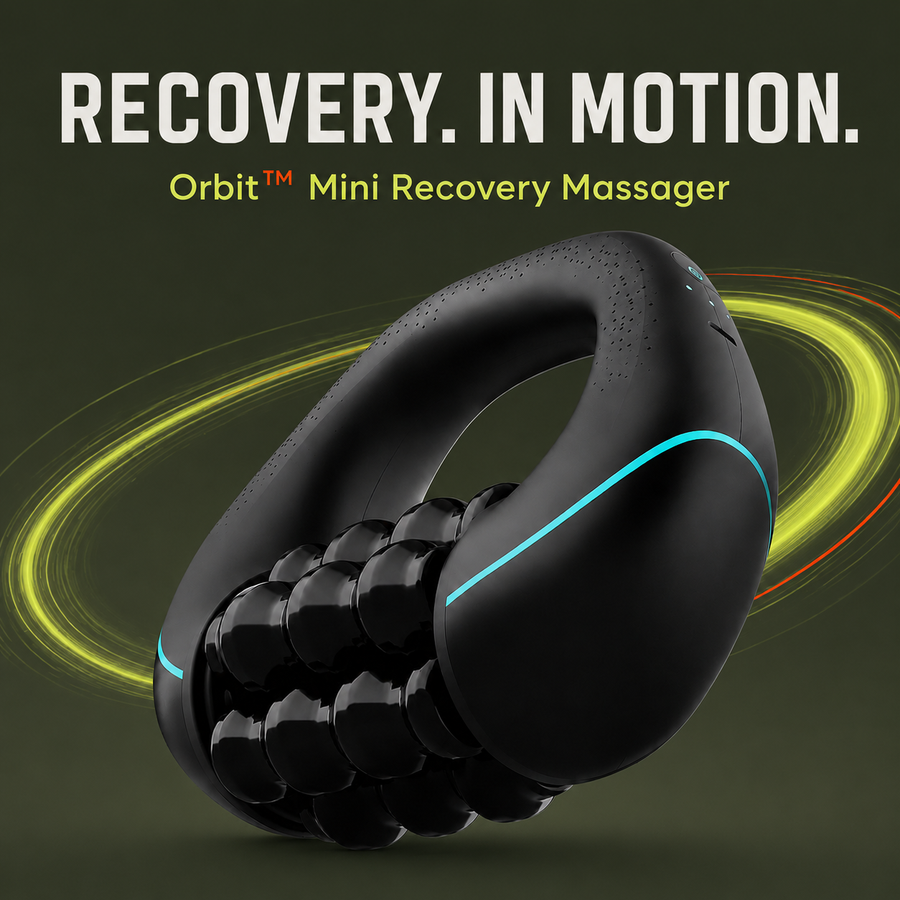
Smooth contact. Compact format.
Orbit™ uses six powered textured roller bars and 24 massage nodes to create broad rolling contact rather than concentrated percussion.
- 3 speedsStart low and adjust for comfort.
- USB-CCordless with charging cable included.
- Up to 4 hoursRuntime varies with speed, pressure and use.
- Runner zonesHealthy calves, quads and hamstrings.
Tools can support recovery—but they are not recovery itself
Research suggests foam rolling may offer short-term benefits for range of motion or soreness, while intermittent pneumatic compression may offer short-lived soreness relief. Results vary, and neither finding means a device repairs tissue faster or prevents running injury. See the reviews on foam rolling and pneumatic compression.
Stiffness, ordinary soreness, injury and unexplained swelling require different responses.
Training load, food, hydration and sleep generally matter more than equipment.
Portability, comfort, storage and control often determine long-term value.
Do not use recovery equipment to mask an injury
Do not aggressively roll sharp, swollen, bruised, numb or worsening areas. Seek assessment for severe pain, inability to bear weight, sudden weakness or symptoms that change your gait. Healthdirect advises assessment for sudden, severe or persistent leg pain (leg pain guidance).
Pain and swelling in one calf with warmth, redness or discolouration can indicate a deep vein thrombosis. Seek urgent medical care and do not massage it (Healthdirect DVT guidance).