

Can Nose Strips Help a Deviated Septum? What the Science Says
Nose strips cannot straighten a deviated septum, but some people may experience temporarily easier nasal breathing when external support reduces narrowing around the nasal valve. This guide explains when they may help, when they are unlikely to help and when professional assessment is important.
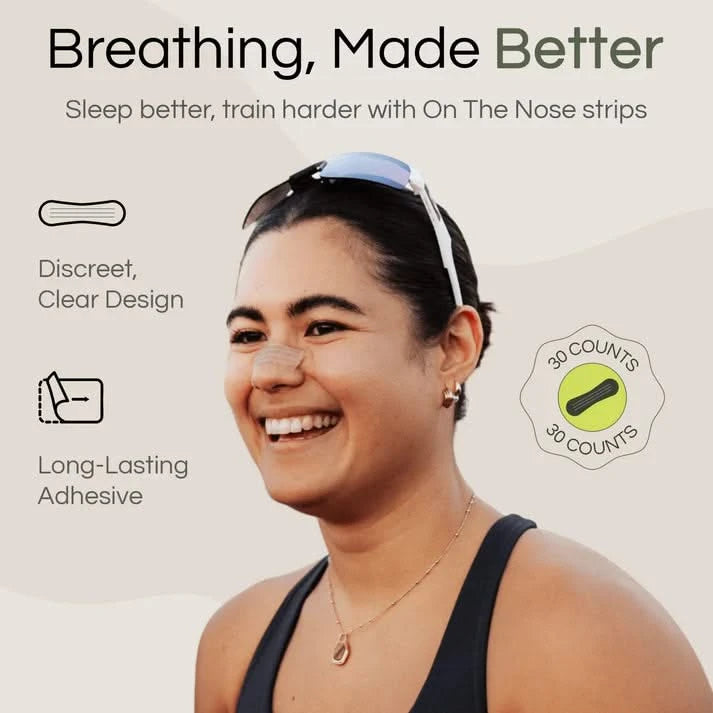
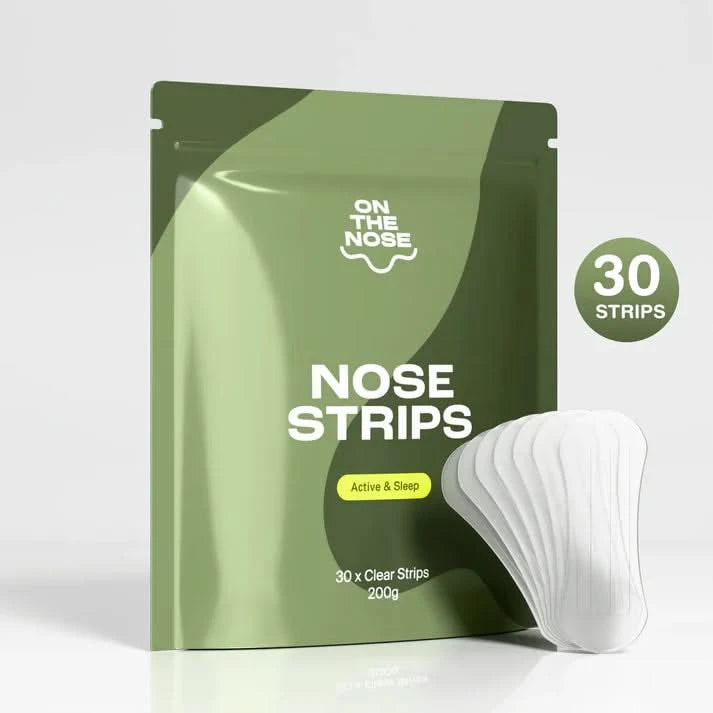
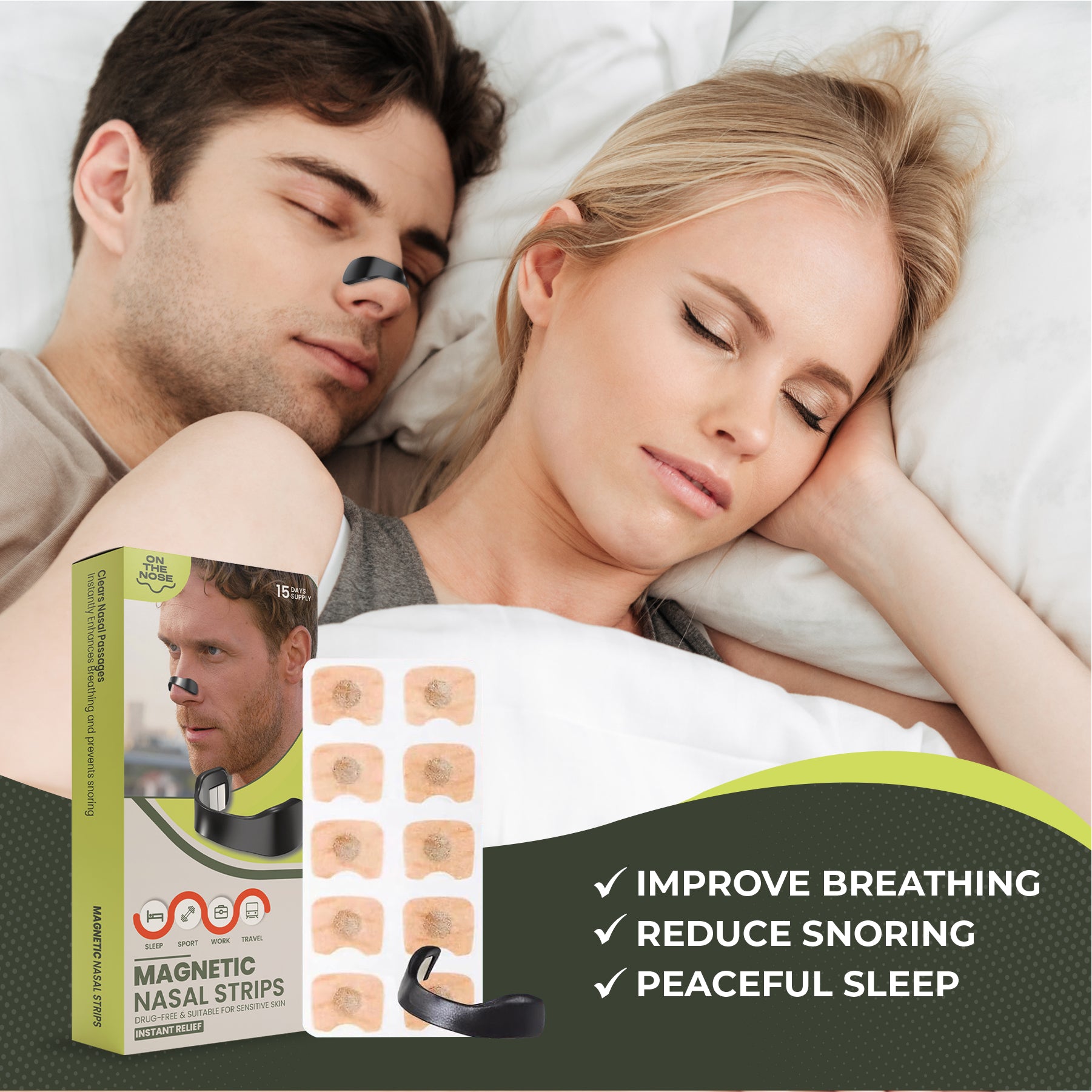
Do nose strips work for a deviated septum?
Nose strips cannot fix or straighten a deviated septum. They may, however, temporarily improve the feeling of airflow for some people by supporting the outside of the nose and widening the nasal-valve area. They are most likely to help when nasal-valve narrowing or sidewall collapse contributes to the obstruction. They may provide little benefit when the blockage is caused mainly by a severe internal septal deviation.
The most important points
Nose strips may support airflow
Some people notice temporarily easier breathing when the strip supports the nasal valve and flexible outer nasal walls.
They cannot straighten the septum
A strip works outside the nose. It cannot reposition bone or cartilage or permanently correct the internal deviation.
Results depend on the obstruction
Benefit is more likely when the nasal valve also narrows and less likely when severe internal blockage is the main problem.
What is a deviated septum?
The nasal septum is the internal wall of cartilage and bone that separates the left and right nasal passages. A deviated septum occurs when this wall is displaced or curved toward one side.
Many people have some degree of deviation without significant symptoms. A larger or strategically located deviation can make one nasal passage narrower and reduce airflow through that side.
A deviation may be present from birth, develop as the face grows or result from an injury to the nose. Symptoms can also become more noticeable when swelling from allergies, infection or irritation further narrows the passages.
A relatively centred septum
A centred septum leaves more similar amounts of space in the left and right nasal passages, although the normal nasal cycle can still make one side feel more open than the other.
A deviated septum
A curved or displaced septum can reduce space on one side. The severity of symptoms depends on the location of the deviation and whether other structures also contribute to obstruction.
Common deviated-septum symptoms
- Difficulty breathing through one or both sides of the nose.
- One-sided nasal blockage that persists over time.
- Congestion that becomes worse when lying down.
- Dryness, crusting or repeated nosebleeds.
- Noisy breathing during sleep.
- Snoring when nasal obstruction contributes to restricted airflow.
- Reduced exercise comfort because nasal breathing feels limited.
- Recurring sinus symptoms in some people.
One blocked nostril does not automatically mean the septum is deviated. Allergies, infection, enlarged turbinates, nasal polyps, the normal nasal cycle and nasal-valve collapse can cause similar symptoms.
Learn more in Why Can I Only Breathe Through One Nostril?
How can nose strips help a deviated septum?
Traditional adhesive nose strips are external nasal dilators. They sit across the lower bridge of the nose and use flexible lifting bands to support the outer nasal walls.
When correctly positioned, a strip may increase space around the nasal entrance and nasal valve. This can reduce the feeling that the nostrils or sidewalls are narrowing inward during inhalation.
The key distinction: a nose strip supports the flexible outside portion of the nasal airway. It does not move, reshape or straighten the internal septum.
A person with a deviated septum may still experience a benefit if their obstruction is partly caused by narrowing around the nasal valve. The strip can support this area even though the underlying septal deviation remains unchanged.
Why two people with a deviated septum may get different results
A deviated septum is not one single shape or condition. Deviations can occur toward the front, middle or back of the nose. They can bend to one side, form a ridge or spur, or occur alongside enlarged turbinates or nasal-valve weakness.
External strips are more likely to influence obstruction near the entrance of the nose. They have less ability to affect narrowing located deeper inside the nasal cavity.
What does the research say?
Research on external nasal dilators has generally found that they can increase nasal-valve area or reduce nasal resistance in at least some users. However, results vary according to anatomy, product design, placement and the cause of obstruction.
One clinical study examining people with septal deviation concluded that an external nasal dilator could provide a nonsurgical approach for septal deviation that obstructed the nasal-valve area. This does not mean the strip corrected the septum; it means the external support improved airflow through the affected valve region while being worn.
Broader reviews of external nasal dilators also describe use for nasal congestion, sleep, snoring, exercise and structural narrowing. The evidence is more supportive of temporary changes in nasal openness than of permanent anatomical correction.
| Question | What evidence suggests | Important limitation |
|---|---|---|
| Can strips widen the nasal entrance? | They may increase nasal-valve area while worn. | The effect is temporary. |
| Can they reduce nasal resistance? | Some studies report improved objective airflow measures. | Not every person feels a noticeable difference. |
| Can they help septal deviation? | They may help when the deviation also obstructs the nasal-valve region. | They do not straighten the septum. |
| Can they permanently fix obstruction? | No. | The support ends after the strip or dilator is removed. |
| Can they treat sleep apnoea? | No. | Nasal dilators have not demonstrated reliable improvement in obstructive sleep-apnoea outcomes. |
Read a broader overview in Do Nose Strips Actually Work? The Science Explained .
Trying a nose strip for nasal restriction
On The Nose Co. adhesive nose strips are designed to externally support the sides of the nose while worn. They may be worth testing when restriction near the nasal entrance contributes to difficult breathing.
They cannot diagnose a deviated septum, permanently correct nasal anatomy or replace advice from an ear, nose and throat specialist.
Explore Adhesive Nose StripsWhen are nose strips unlikely to help?
Nose strips are less likely to make a meaningful difference when the main obstruction is located deeper inside the nose or when the narrowed passage is almost completely blocked by internal structure.
No improvement is useful information. If a correctly applied strip produces no noticeable difference, the obstruction may not be primarily located around the nasal valve.
Which nasal dilator is best for a deviated septum?
There is no single best option for every anatomy. External adhesive strips, magnetic systems and internal nasal dilators support different areas and create different sensations.
| Option | How it works | Potential advantage | Consideration |
|---|---|---|---|
|
Traditional adhesive strips View On The Nose Co. strips |
Flexible bands lift the external nasal walls. | Simple, drug-free and does not enter the nostrils. | Single-use and requires suitable skin adhesion. |
|
Magnetic nasal strips View magnetic strips |
Two side tabs connect to a reusable external bridge. | Smaller adhesive areas and a more adjustable external system. | Still uses adhesive and requires careful tab alignment. |
| Internal nasal dilators | A flexible device sits inside the nostrils and supports them from within. | No adhesive on facial skin and reusable options are available. | Some users dislike the internal sensation. |
| Medical treatment | Treatment addresses inflammation, associated conditions or the septal structure itself. | Can target the underlying cause rather than temporarily supporting the airway. | Requires appropriate professional assessment. |
External adhesive nose strips
External strips are usually the simplest first option. They do not enter the nostrils and can be removed immediately if they feel uncomfortable. Correct placement across the lower bridge is essential.
Magnetic nose strips
Magnetic systems use a reusable bridge connected to disposable adhesive tabs. They may suit people wanting smaller adhesive contact areas or a different outward lifting sensation.
Compare the formats in Magnetic vs Adhesive Nose Strips .
Internal nasal dilators
Internal devices sit inside the nasal entrance and support the nostrils from within. Examples sold worldwide include AIRMAX, Mute, Nozovent and Turbine.
An internal dilator may support a slightly different part of the nasal entrance than an external strip. Comfort, hygiene, sizing and the sensation of wearing a device inside the nose should all be considered.
How can you tell whether external support may help?
Only a qualified healthcare professional can diagnose the cause of persistent nasal obstruction. However, the following observations may help you describe your symptoms during an appointment.
How to apply a nose strip when one side feels blocked
Clean the skin thoroughly
Remove moisturiser, sunscreen, makeup, oil, sweat and other products from the nose.
Dry the nose completely
Moisture can weaken the adhesive and reduce the lifting effect.
Place the strip across the lower bridge
Position it above the flare of the nostrils, not high on the bony part of the nose.
Centre it as evenly as possible
Do not deliberately shift the whole strip strongly toward the blocked side unless the product directions advise this.
Press both sides firmly
Smooth the strip from the centre outward and hold it briefly against the skin.
Assess comfort rather than force
The strip should feel supportive without pain, excessive tension or skin pinching.
Can nose strips fix a deviated septum permanently?
No. A nose strip cannot move cartilage or bone. Its effect is limited to temporary external support while the product is attached.
When a deviated septum causes significant symptoms, a healthcare professional may first assess whether allergies, infection, enlarged turbinates or another condition is making the blockage worse.
Depending on the diagnosis, symptom management may include saline, antihistamines, nasal corticosteroids or other treatments recommended by a healthcare professional. These treatments can reduce inflammation but do not physically straighten the septum.
What is septoplasty?
Septoplasty is a surgical procedure used to straighten or reposition portions of the nasal septum. It is generally considered when symptoms remain significant despite appropriate nonsurgical management.
A nose strip and septoplasty therefore have completely different roles: one temporarily supports the external nasal walls, while the other aims to correct the internal structure.
| Feature | Nose strips | Septoplasty |
|---|---|---|
| Main purpose | Temporarily support the outer nasal walls. | Correct symptomatic septal deviation. |
| Changes the septum? | No. | Yes, through surgery. |
| Duration | Only while worn. | Intended as a lasting structural correction. |
| Medical procedure? | No. | Yes. |
| Recovery required? | No. | Yes. |
| Suitable for every person? | No. | No; professional assessment is required. |
Can nose strips help with sleep and snoring?
A deviated septum can make nighttime nasal breathing feel more difficult, particularly when lying down or when nasal tissue is swollen. A strip may make the nasal entrance feel more open and help some people breathe more comfortably.
It may also reduce snoring when nasal resistance contributes to the sound. It will not address snoring caused primarily by the tongue, soft palate, throat or obstructive sleep apnoea.
Explore Best Nose Strips for Sleep and Best Nose Strips for Snoring .
Nose strips do not treat obstructive sleep apnoea
Seek medical assessment if snoring is accompanied by breathing pauses, choking, gasping, morning headaches, marked daytime tiredness or difficulty staying awake.
Can athletes use nose strips with a deviated septum?
Some runners and athletes with septal deviation use external nasal strips because they make the nose feel less restricted during training. This may be especially noticeable when the nostrils or nasal sidewalls move inward during forceful inhalation.
Research does not consistently show that external strips increase oxygen uptake, running speed or athletic performance in healthy athletes. They should be viewed as an airflow-comfort accessory rather than a guaranteed performance enhancer.
Read Best Nose Strips for Running for a comparison of external, magnetic and internal options.
When should you see an ENT specialist?
Consider speaking with a general practitioner or ear, nose and throat specialist when nasal obstruction is persistent, severe or significantly affects sleep, exercise or everyday life.
Arrange a professional assessment if you experience:
- Persistent one-sided nasal blockage.
- Difficulty breathing despite trying simple supportive measures.
- Frequent or difficult-to-control nosebleeds.
- Repeated sinus infections or ongoing facial pressure.
- A reduced sense of smell.
- Nasal obstruction after an injury.
- Visible collapse of the nostril during inhalation.
- Sleep disruption, gasping or suspected sleep apnoea.
- A nasal blockage, lump or symptom that is getting worse.
A clinician can examine the inside of the nose and determine whether the symptoms relate to the septum, turbinates, nasal valve, allergies, polyps or another cause.
Final verdict
Nose strips may help some people with a deviated septum breathe more comfortably by supporting the nasal-valve area and flexible outer nasal walls.
They are most likely to help when external narrowing or sidewall collapse contributes to the obstruction. They are less likely to help when a severe internal deviation is the main cause of blockage.
Most importantly, a nose strip cannot straighten or permanently fix a deviated septum. Persistent or significant symptoms should be assessed by a qualified healthcare professional.
Frequently asked questions
Can nose strips help a deviated septum?
They may temporarily improve airflow when narrowing around the nasal valve contributes to the obstruction. They cannot straighten or permanently correct the septum.
Can nose strips fix a deviated septum?
No. Nose strips work on the outside of the nose and cannot move the internal cartilage or bone.
Why do nose strips help some people with a deviated septum?
They may support the nasal valve and outer sidewalls, which can reduce an additional source of narrowing even though the deviation remains unchanged.
Why do nose strips not work for everyone?
The position and severity of the deviation differ between people. External strips have limited influence on obstruction located deep inside the nasal passage.
What are the best nose strips for a deviated septum?
The best option is correctly sized, comfortable and strong enough to support the outer nasal walls. No strip can permanently correct a deviated septum.
Are magnetic nose strips good for a deviated septum?
They may provide temporary external support using two adhesive tabs and a reusable bridge. Results still depend on where the obstruction is located.
Are internal nasal dilators better for a deviated septum?
Internal dilators support the nasal entrance from inside and may suit some anatomies better. Neither external nor internal dilators permanently correct the septum.
Can I wear a nose strip every night?
Many people use them regularly when their skin tolerates the adhesive. Follow the product directions and stop use if irritation develops.
Can a deviated septum make one nostril permanently blocked?
It can create persistent narrowing on one side, although allergies, enlarged turbinates, polyps and other conditions can cause similar symptoms.
Can a deviated septum cause snoring?
It may contribute to snoring by increasing nasal resistance, but snoring can also originate from the throat, tongue or soft palate.
Can nose strips help me sleep with a deviated septum?
They may make nasal breathing feel easier for some sleepers. Improved nasal openness does not guarantee better sleep or eliminate every type of snoring.
Can nose strips treat sleep apnoea caused by a deviated septum?
No. Nose strips are not treatments for obstructive sleep apnoea. Suspected sleep apnoea requires professional assessment.
Can a deviated septum be corrected without surgery?
Medications and supportive products may manage symptoms or related inflammation, but surgery is the method used to physically correct a symptomatic deviated septum.
What surgery fixes a deviated septum?
Septoplasty is the surgical procedure used to straighten or reposition the nasal septum.
How do I know whether I have a deviated septum?
Symptoms alone cannot confirm the diagnosis. A healthcare professional can examine the nasal passages and identify the cause of obstruction.
Can allergies make a deviated septum feel worse?
Yes. Swollen nasal tissue can further reduce space in a passage that is already narrowed by the septum.
Can I use nose strips while running with a deviated septum?
Yes, when the product is comfortable and applied securely. It may improve perceived nasal openness but is not guaranteed to improve athletic performance.
When should I see an ENT about a deviated septum?
Seek assessment when blockage is persistent, severe, one-sided, associated with recurrent bleeding or infections, or significantly affects sleep and daily activities.
Research and clinical sources
- Roithmann R, et al. Role of the external nasal dilator in the management of nasal obstruction caused by septal deviation. View the study .
- Griffin JW, et al. Physiologic effects of an external nasal dilator. View the study .
- Dinardi RR, et al. External nasal dilators: definition, background and current uses. View the published review .
- Camacho M, et al. Nasal dilators for snoring and obstructive sleep apnoea: systematic review and meta-analysis. View the research .
- Mayo Clinic. Deviated septum: diagnosis and treatment. View clinical information .
- Mayo Clinic. Deviated septum: symptoms and causes. View clinical information .