

Nose Strips vs Mouth Tape: Which Is Better?
Nose strips and mouth tape are often grouped together, but they solve different bedtime problems. Nose strips support the outside of the nose. Mouth tape provides a gentle cue for comfortable nasal breathers to keep their lips together. This guide explains which one may suit your routine, when they can be combined and when mouth tape should not be used.
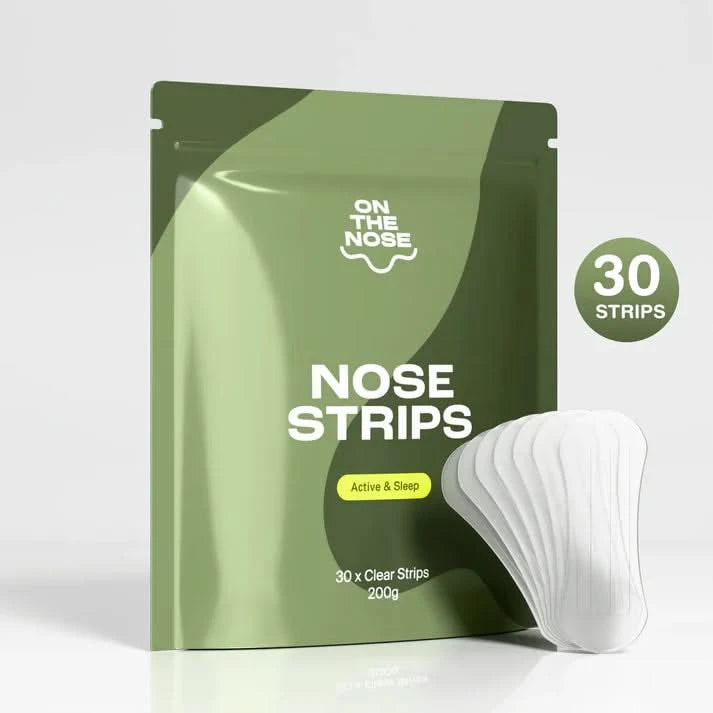

Should you use nose strips or mouth tape?
Choose a nose strip when nasal airflow feels restricted, your nostrils narrow inward or congestion contributes to uncomfortable breathing. Consider mouth tape only when you already breathe freely through your nose but habitually sleep with your lips apart. They may be used together, but the nose strip should be applied first and mouth tape should only be added when nasal breathing remains easy, unrestricted and comfortable.
The main difference
Nose strips support airflow
They gently lift the flexible tissue around the nasal entrance and may make nasal breathing feel less restricted.
Mouth tape supports lip position
It acts as a light external cue for adults who already breathe comfortably through their nose.
Neither treats sleep apnoea
Both are supportive products rather than treatments for obstructive sleep apnoea or another medical breathing disorder.
The simplest way to remember it: nose strips address the entrance to the nose. Mouth tape addresses habitual opening of the lips. Mouth tape should never be used to compensate for a blocked nose.
Nose strips vs mouth tape comparison
| Feature | Nose strips | Mouth tape |
|---|---|---|
| Main purpose | External nasal support. | Gentle cue to help relaxed lips remain together. |
| Where it is applied | Across the lower bridge of the nose. | Over closed, relaxed lips. |
| Changes nasal airflow directly | Potentially by supporting the nasal-valve area. | No it does not physically open the nose. |
| May suit a mildly restricted nose | Yes, depending on the cause of restriction. | No. Nasal breathing should already be comfortable. |
| May help dry mouth | Indirectly, if easier nasal breathing reduces mouth opening. | May help some habitual open-mouth sleepers keep their lips together. |
| May help snoring | May help when restricted nasal airflow contributes. | May help some people when habitual open-mouth sleeping contributes. |
| Use with nasal congestion | May provide temporary support during mild restriction. | No. Do not use when nasal breathing is restricted. |
| Use during exercise | Yes, depending on product design and adhesion. | No. Mouth tape is intended for a suitable bedtime routine. |
| Single-use | Usually yes. | Yes. |
| Drug-free | Yes. | Yes. |
| Treats sleep apnoea | No. | No. |
What do nose strips do?
Nose strips are external nasal dilators. They contain flexible bands and are applied horizontally across the lower bridge of the nose, just above where the nostrils begin to flare.
Once attached, the bands create gentle outward tension. This can support the flexible sides of the nose and create more room around the nasal entrance and nasal-valve area.
Nose strips may suit people who:
- Feel that their nasal passages are narrow or restricted.
- Notice their nostrils moving inward during inhalation.
- Experience mild nighttime nasal congestion.
- Snore more when their nose feels blocked.
- Want drug-free external support during sleep.
- Want nasal support for running, training or sport.
- Cannot comfortably use an internal nasal dilator.
What nose strips cannot do
Nose strips cannot remove mucus, treat allergies, shrink nasal polyps, straighten a deviated septum or permanently widen the nose. Their effect is temporary and lasts only while the strip is correctly applied.
They also cannot address every cause of snoring. Snoring can originate from the nose, tongue, soft palate, throat or more than one area.
Read How Do Nose Strips Work? for a detailed explanation.
What does mouth tape do?
Mouth tape is placed over closed, relaxed lips as part of a bedtime routine. It is intended to act as a light external cue rather than physically treating an airway problem.
On The Nose Co. Sleep Mouth Tape includes a central slit for a less enclosed feeling. It is designed for adults who can already breathe easily and comfortably through their nose.
Mouth tape may suit people who:
- Can breathe freely and comfortably through their nose.
- Habitually sleep with their lips slightly apart.
- Wake with a dry mouth linked to open-mouth sleeping.
- Want a gentle reminder to maintain relaxed lip closure.
- Have tested the tape safely while awake first.
What mouth tape cannot do
Mouth tape does not open the nasal passages, remove congestion, treat allergies or force the body to breathe safely through an obstructed nose.
It is not a treatment for sleep apnoea and should not be used when nasal breathing is uncomfortable, restricted or unreliable.
Do not apply mouth tape when your nose is blocked
Mouth tape should only be considered when nasal breathing is already easy and unrestricted. Remove it immediately if you experience breathing difficulty, anxiety, discomfort or unexpected nasal congestion.
Shop nose strips and mouth tape
Nose Strips for Sleep & Snoring
Drug-free external strips designed to gently lift the sides of the nose and support clearer, more comfortable nasal airflow overnight.
Shop Nose StripsSleep Mouth Tape with Slit
A gentle external lip cue for adults who can already breathe comfortably through their nose and want support reducing habitual open-mouth sleeping.
Shop Sleep Mouth TapeWhich is better for your sleep routine?
Neither product is universally better. The right option depends on what is happening before and during sleep.
Blocked or narrow-feeling nose
Start with a nose strip. Do not use mouth tape while nasal breathing is restricted.
Clear nose but open lips
Mouth tape may be considered as a light cue after testing it safely while awake.
Waking with dry mouth
Identify whether nasal obstruction or habitual mouth opening is contributing before choosing a product.
Nasal-based snoring
A nose strip may be more relevant when snoring becomes worse during nasal congestion.
Open nose and open mouth
Some people use both, provided nasal breathing remains easy after the nose strip is applied.
Breathing pauses or gasping
Neither product is an appropriate substitute for medical assessment or prescribed sleep-apnoea treatment.
Which is better for snoring?
The answer depends on where the snoring originates.
Nose strips may be more relevant when:
- Snoring becomes worse when the nose feels congested.
- Nasal breathing is noisy or restricted.
- The nostrils visibly narrow during inhalation.
- Opening the sides of the nose makes airflow feel easier.
Mouth tape may be more relevant when:
- Nasal breathing is already easy and unrestricted.
- The lips habitually fall open during sleep.
- You regularly wake with a dry mouth.
- You have tested the tape safely while awake.
Neither product is likely to resolve every type of snoring. Throat-based snoring, soft-palate vibration, tongue position and obstructive sleep apnoea require different assessment and management.
Which is better for dry mouth?
Mouth tape is more directly associated with lip position, but the cause of dry mouth should be considered first.
If your lips open because your nose becomes blocked, taping the mouth does not solve the underlying problem and may make breathing uncomfortable. Supporting nasal airflow or addressing allergies, congestion or structural narrowing may be more appropriate.
Dry mouth can also be associated with dehydration, medications, alcohol, smoking, dental conditions and other health issues. Persistent dry mouth should be discussed with a qualified health professional or dentist.
Which is better for a blocked nose?
Nose strips are the only one of the two products designed to directly support the outside of the nasal airway.
A nose strip may provide temporary help when narrowing near the nasal entrance or nasal valve contributes to the blocked sensation. It cannot reduce significant internal inflammation or clear heavy mucus.
Mouth tape should not be used when the nose is blocked. Comfortable, reliable nasal breathing is a prerequisite for considering mouth tape.
Read Why Is My Nose Blocked at Night? for common causes and practical relief options.
Can you use nose strips and mouth tape together?
Some adults use both products as part of a bedtime breathing routine. The combination only makes sense when the nose strip creates or maintains comfortable nasal airflow and the mouth tape is being used as a gentle cue for habitual lip opening.
Check your nasal breathing first
You should be able to breathe comfortably through the nose without struggling, gasping or feeling restricted.
Apply the nose strip
Place it across clean, completely dry skin on the lower bridge of the nose.
Recheck your breathing
Take several calm breaths and confirm that nasal airflow feels easy and reliable.
Test mouth tape while awake
Apply it briefly before bedtime so you can assess comfort, skin feel and removal.
Apply over relaxed lips
Do not stretch the lips or surrounding skin and follow all product directions.
Remove immediately if uncomfortable
Stop if breathing feels restricted, your nose blocks, or you feel anxious, unwell or unable to remove the tape easily.
Order matters: support and assess nasal breathing first. Mouth tape should be the optional second step, never the product used to force breathing through an obstructed nose.

Nose Strips & Mouth Tape Bundle
The bundle combines external nasal support with a gentle lip cue for adults who can breathe comfortably through their nose.
Use the nose strip independently or combine both products only after confirming that nasal breathing is easy and unrestricted.
Shop the Nose Strip & Mouth Tape BundleMouth-taping safety: who should avoid it?
Scientific evidence for mouth taping remains limited. A systematic review published in 2025 examined ten studies involving 213 participants and concluded that further research is needed. The review identified potential risks when oral sealing is used by people with nasal obstruction.
Do not use mouth tape if:
- You cannot breathe freely and comfortably through your nose.
- Your nose is blocked by illness, allergies or congestion.
- You have untreated or suspected obstructive sleep apnoea.
- You experience choking, gasping or breathing pauses during sleep.
- You are nauseated or at risk of vomiting or regurgitation.
- You are heavily affected by alcohol or sedating substances.
- You cannot remove the product independently.
- The tape causes panic, anxiety or breathing discomfort.
- You have irritated, injured or reactive skin around the lips.
- A healthcare professional has advised against its use.
Product designs with a central slit may feel less enclosed, but a slit does not make mouth tape suitable when nasal breathing is restricted.
Can either product treat sleep apnoea?
No. Nose strips and mouth tape should not be presented as treatments for obstructive sleep apnoea.
Nose strips may improve nasal openness, but research has not shown that external nasal dilators reliably correct the repeated airway obstructions that define sleep apnoea.
Research on mouth taping is limited and has involved selected groups, often excluding people with nasal obstruction. Mouth tape should not replace CPAP, a prescribed oral appliance, surgery or another treatment recommended by a qualified healthcare professional.
Seek assessment for possible sleep apnoea
Warning signs include loud persistent snoring, witnessed breathing pauses, choking or gasping, morning headaches, severe daytime sleepiness and difficulty staying awake.
Which product sounds more suitable?
Final verdict
Nose strips and mouth tape are not competing versions of the same product. Nose strips support the nasal entrance, while mouth tape provides a cue for lip closure.
Choose nose strips when your main concern is restricted nasal airflow, nasal-valve narrowing or congestion-related breathing discomfort.
Consider mouth tape only when nasal breathing is already easy and your concern is habitual open-mouth sleeping or waking with a dry mouth.
Some people may use both, but nasal breathing must remain comfortable at every stage. Neither product treats sleep apnoea, and persistent snoring, breathing pauses or severe tiredness should be professionally assessed.
Explore Nose Strips for Sleep , Sleep Mouth Tape with Slit or the Nose Strips and Mouth Tape Bundle .
Frequently asked questions
Are nose strips or mouth tape better?
Nose strips are more relevant for restricted nasal airflow. Mouth tape may suit adults who breathe comfortably through the nose but habitually sleep with their lips open.
What is the difference between nose strips and mouth tape?
Nose strips lift the flexible outer nasal walls. Mouth tape sits over relaxed lips as a cue to reduce habitual mouth opening.
Can I use nose strips and mouth tape together?
Some people use both. Apply the nose strip first and only add mouth tape when nasal breathing remains easy and unrestricted.
Should I apply the nose strip or mouth tape first?
Apply the nose strip first, then assess your nasal breathing. Mouth tape should only be considered if you can breathe comfortably through the nose.
Do nose strips stop mouth breathing?
They do not physically close the mouth, but making nasal breathing feel easier may reduce the urge to mouth-breathe for some people.
Does mouth tape open the nose?
No. Mouth tape does not widen the nasal passages or treat nasal congestion.
Which is better for a blocked nose?
A nose strip may provide temporary support when narrowing near the nasal entrance contributes. Mouth tape should not be used when the nose is blocked.
Which is better for dry mouth?
Mouth tape may help some comfortable nasal breathers keep their lips together. If nasal obstruction causes the mouth opening, address the nasal restriction first.
Which is better for snoring?
Nose strips may suit congestion-related or nasal snoring. Mouth tape may suit some habitual open-mouth sleepers with clear nasal airflow. Neither addresses every cause of snoring.
Can mouth tape help nasal breathing?
It may encourage someone who already has comfortable nasal airflow to keep their lips together, but it cannot improve a physically obstructed nose.
Can I use mouth tape when congested?
No. Do not use mouth tape when nasal breathing is restricted, unreliable or uncomfortable.
Is mouth tape safe for everyone?
No. It is unsuitable for people with nasal obstruction, untreated or suspected sleep apnoea, breathing difficulty or other relevant safety concerns.
Should I test mouth tape while awake?
Yes. Testing it while awake allows you to assess nasal breathing, comfort, skin response and removal.
Does a breathing slit make mouth tape safe with congestion?
No. A central slit may feel less enclosed, but mouth tape should still not be used when nasal breathing is restricted.
Can nose strips and mouth tape treat sleep apnoea?
No. Neither product is a treatment for obstructive sleep apnoea or a replacement for prescribed therapy.
Can I wear nose strips every night?
Many people use a fresh strip nightly when their skin tolerates the adhesive. Follow product instructions and stop if irritation develops.
Can I wear mouth tape every night?
Regular use should only be considered when nasal breathing remains easy and the product causes no discomfort, irritation or anxiety.
When should snoring be medically assessed?
Seek advice for loud persistent snoring, choking, gasping, witnessed breathing pauses, morning headaches or excessive daytime tiredness.
Research and product sources
- Rhee J, et al. Breaking social media fads and uncovering the safety and efficacy of mouth taping in patients with mouth breathing, sleep-disordered breathing or obstructive sleep apnoea: a systematic review. View the systematic review .
- Lee YC, et al. The impact of mouth taping in mouth-breathers with mild obstructive sleep apnoea. View the study .
- Camacho M, et al. Nasal dilators for snoring and obstructive sleep apnoea: a systematic review and meta-analysis. View the research .
- On The Nose Co. Nose Strips for Snoring and Sleep. View product information .
- On The Nose Co. Sleep Mouth Tape with Slit. View product information .