

Why Is My Nose Blocked at Night?
A nose that feels clear during the day can become stuffy as soon as you lie down. Position, allergies, bedroom irritants, dry air, infection and structural narrowing can all contribute. This guide explains the most common causes, what may provide relief and when persistent congestion should be professionally assessed.

Why does my nose become blocked when I lie down?
Lying down can increase blood flow and fluid pressure within the nasal tissues, reducing the amount of open space inside the nose. Night-time congestion may become worse when this positional effect combines with allergies, a cold, sinus inflammation, dry air, non-allergic rhinitis, enlarged turbinates, a deviated septum or narrowing around the nasal valve. A nose strip may temporarily support the outer nasal walls, but it cannot remove mucus, reduce internal swelling or correct every cause of obstruction.
The most important points
Position can increase nasal resistance
Moving from upright to lying down can make the nasal tissues feel fuller and reduce nasal airflow.
Your bedroom may be part of the problem
Dust mites, animal dander, mould, dry air, smoke and fragrance can trigger or worsen congestion.
Persistent blockage deserves assessment
Ongoing one-sided obstruction, bleeding, reduced smell or worsening symptoms should not simply be blamed on normal congestion.
Why does lying down make nasal congestion worse?
When you are standing or sitting, gravity helps fluid drain away from the head and upper airway. When you lie flat, this distribution changes. Blood vessels and soft tissues inside the nose may become fuller, increasing resistance through the nasal passages.
The change may be subtle in a person with wide, healthy nasal passages. It can feel much more noticeable when the nose is already narrowed by allergies, infection, enlarged turbinates, structural differences or irritation.
Research examining body position has found that nasal airflow can decrease and nasal resistance can increase after moving into a recumbent or lying position. This helps explain why a nose that feels manageable throughout the day may feel significantly more restricted at bedtime.
Why it happens so quickly: the nose may not suddenly be producing large amounts of mucus. Swelling of the blood-rich nasal tissues can reduce the available airway space within minutes of lying down.
Does sleeping on your side block one nostril?
It can. When lying on one side, the lower or dependent nostril may feel more congested. Changing sides may cause the blockage to move from one nostril to the other.
This positional change can combine with the normal nasal cycle, during which the body naturally alternates airflow between the left and right sides of the nose.
Common causes of a blocked nose at night
Night-time nasal congestion is a symptom rather than a diagnosis. More than one cause may be present at the same time.
Allergic rhinitis
Dust mites, pollen, mould and animal dander can inflame the nasal lining. Symptoms may become more noticeable in a bedroom where exposure continues for several hours.
Non-allergic rhinitis
Temperature changes, humidity, smoke, perfume, alcohol, spicy food, hormones and certain medicines can trigger congestion without an allergy being involved.
Cold, flu or viral infection
Infection can inflame the nasal lining and increase mucus production. Lying down may make the existing swelling and drainage feel more obstructive.
Sinus inflammation
Acute or chronic sinusitis may cause congestion, pressure, reduced smell, facial discomfort and thick nasal discharge.
Dry bedroom air
Air conditioning, heating and low humidity can dry and irritate the nasal lining, sometimes leading to swelling, crusting or a blocked sensation.
Deviated septum
A displaced internal septum can narrow one or both passages. Congestion may feel worse when surrounding tissue swells at night.
Enlarged turbinates
Turbinates are normal structures that warm and humidify air. Enlargement or inflammation can reduce the available breathing space.
Nasal-valve narrowing
The nasal valve is a naturally narrow part of the airway. Flexible sidewalls may move inward during inhalation and create a restricted feeling.
Nasal polyps
Soft growths associated with chronic inflammation can obstruct the nose and reduce smell. External nose strips cannot remove them.
Reflux and late-night triggers
Reflux, alcohol and some foods may contribute to irritation or congestion in susceptible people, particularly close to bedtime.
Pregnancy or hormonal changes
Hormonal changes can increase blood flow to nasal tissues and cause congestion even without infection or allergy.
Decongestant spray overuse
Using medicated decongestant sprays for longer than directed may cause rebound congestion and create an ongoing cycle of blockage.
Why is only one nostril blocked at night?
One-sided congestion can result from the normal nasal cycle, your sleep position or an anatomical difference between the two passages.
During the nasal cycle, tissue on one side becomes slightly fuller while the other side opens. The pattern usually changes over several hours. You may notice it more at night because there are fewer distractions and you are breathing quietly through the nose.
| Pattern | Possible explanation | What to notice |
|---|---|---|
| The blockage changes sides | Normal nasal cycle or sleep position. | Often temporary |
| The lower nostril blocks | Positional congestion while side sleeping. | May improve after turning |
| The same side is always blocked | Deviated septum, enlarged turbinate, polyp or another structural cause. | Consider assessment |
| Blockage with sneezing or itching | Allergic rhinitis may be involved. | Look for bedroom triggers |
| Blockage with pain or thick discharge | Infection or sinus inflammation may be involved. | Monitor duration and severity |
Read Why Can I Only Breathe Through One Nostril? for a more detailed explanation.
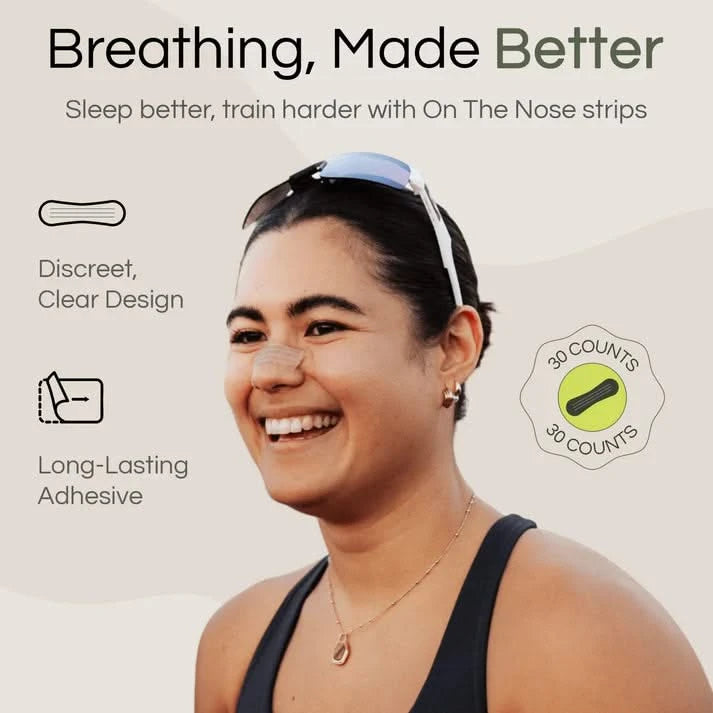
Can lifting the sides of the nose make breathing feel easier?
When narrowing near the nasal entrance or nasal valve contributes to the blocked sensation, an external nose strip may create temporary outward support.
This may make airflow feel less restricted while the strip is worn. It does not reduce internal inflammation or replace treatment for allergies, infection, polyps or significant structural obstruction.
Shop Nose Strips for SleepHow to relieve a blocked nose at night
The right approach depends on the cause. The following measures may improve comfort while you identify or treat the underlying trigger.
Raise your head slightly
A gentle incline may reduce the positional feeling of congestion. Avoid stacking pillows so high that your neck becomes uncomfortable.
Use saline appropriately
A saline spray or rinse may help remove mucus and allergens and add moisture. Follow safe water and cleaning instructions for rinses.
Review bedroom allergens
Wash bedding regularly, reduce dust, manage mould and keep animals away from the sleeping area when they trigger symptoms.
Manage dry air
Consider moderate humidity and avoid direct airflow from a fan, heater or air conditioner blowing toward your face.
Avoid known irritants
Smoke, perfume, diffusers, fragranced sprays and cleaning products can worsen rhinitis in sensitive people.
Apply a nose strip
When outer nasal narrowing contributes, a correctly positioned strip may provide drug-free external support overnight.
Speak with a pharmacist
A pharmacist can advise whether an antihistamine, saline product or suitable nasal spray may be appropriate for your symptoms.
Avoid spray overuse
Medicated decongestant sprays can cause rebound congestion when used longer than directed on the label.
Track your pattern
Note the affected side, season, room, foods, alcohol, medication and associated symptoms to help identify recurring triggers.
Do not use mouth tape when your nose is significantly blocked
Mouth tape should only be considered when you can breathe comfortably and freely through your nose. Do not tape the mouth closed during significant congestion, breathing difficulty, illness or uncertainty about nasal airflow.
Do nose strips help a blocked nose at night?
Nose strips may help when the blocked sensation is partly caused by narrowing near the nasal valve or inward movement of the flexible outer nasal walls.
Traditional adhesive strips contain flexible bands that create outward tension across the lower bridge of the nose. This temporary lift may increase space near the nasal entrance and make nasal breathing feel clearer.
Nose strips may be worth trying when:
- Your nostrils appear to narrow inward during inhalation.
- The blockage feels concentrated near the front of the nose.
- Gentle outward support beside the nose improves airflow.
- You want a drug-free external option.
- Mild congestion makes nasal breathing feel restricted at bedtime.
- Nasal restriction contributes to snoring.
Nose strips may be less effective when:
- The nose is completely blocked by heavy internal swelling.
- Thick mucus is obstructing the passages.
- A severe deviated septum creates deep structural narrowing.
- Polyps or another internal growth obstruct airflow.
- The main problem is inflammation deeper inside the nose or sinuses.
- The snoring originates primarily from the throat.
Useful expectation: a nose strip may make the airway feel more open while worn, but it does not cure congestion or remove the condition causing it.
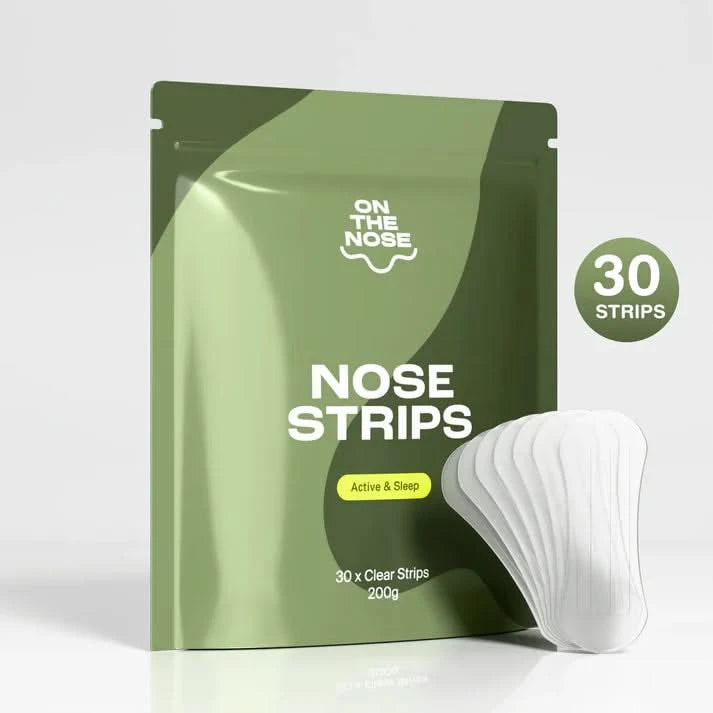
On The Nose Co. Nose Strips for Sleep & Snoring
Drug-free external nasal strips designed to gently lift the sides of the nose and support clearer, more comfortable nasal airflow throughout the night.
Buy Nose Strips for SleepHow to apply a nose strip before bed
- Wash the nose: remove skincare, makeup, sunscreen, sweat and natural oils.
- Dry the skin completely: moisture can reduce overnight adhesion.
- Position the strip low enough: centre it across the lower bridge, just above where the nostrils begin to flare.
- Press from the centre outward: smooth both ends firmly against the skin.
- Allow the adhesive to settle: apply shortly before bed rather than after becoming hot or sweaty.
- Remove slowly: wet the strip with warm water and peel both ends toward the centre.
Placing a strip too high on the hard, bony bridge can reduce its ability to support the flexible nasal-valve area.
Why does my nose block only in my bedroom?
Symptoms that appear mainly in one room can suggest an environmental trigger. Common bedroom triggers include:
- Dust mites in pillows, mattresses, carpet and soft furnishings.
- Animal dander on bedding or furniture.
- Mould around windows, bathrooms or air-conditioning systems.
- Fragranced candles, diffusers, sprays and laundry products.
- Dry air from heating or air conditioning.
- Smoke or pollution entering through windows.
- An unclean fan, filter or air-conditioning unit.
A symptom diary can help identify whether congestion changes after washing bedding, sleeping elsewhere, keeping animals out of the room or adjusting the indoor environment.
Why can I breathe during the day but not at night?
Daytime movement, upright posture and reduced exposure to bedroom allergens may all help nasal airflow feel more comfortable. At night, several factors can combine:
- You change from upright to horizontal.
- You remain in one position for longer.
- You are exposed to bedding allergens for several hours.
- The room may be cooler, warmer or drier than daytime environments.
- The normal nasal cycle becomes more noticeable.
- Late-night alcohol, food or reflux may trigger symptoms.
- You notice breathing sensations more when the room is quiet.
The pattern does not necessarily mean the problem is psychological or imagined. Position-related changes in nasal resistance are measurable.
Can a blocked nose cause snoring or sleep apnoea?
Nasal congestion can encourage mouth breathing and may contribute to snoring when restricted nasal airflow is part of the problem. Improving nasal openness may therefore reduce nasal-based snoring for some people.
Obstructive sleep apnoea is more complex. It usually involves repeated narrowing or closure of the upper airway during sleep, often around the throat. A nose strip cannot prevent all throat-based obstructions and is not a treatment for sleep apnoea.
Seek professional assessment for possible sleep apnoea
Warning signs include loud persistent snoring, witnessed breathing pauses, choking or gasping during sleep, morning headaches, poor concentration, severe daytime tiredness or falling asleep unintentionally.
You can also use the On The Nose Co. Snoring Risk Calculator as a general educational starting point. It does not provide a medical diagnosis.
What does your congestion pattern suggest?
When should you see a doctor or ENT specialist?
Occasional congestion caused by a short-lived cold or known allergy may resolve with appropriate self-care. Persistent or unusual symptoms should be assessed rather than repeatedly covered with temporary products.
Arrange medical advice if you have:
- A blocked nose that persists or repeatedly affects sleep.
- One-sided blockage that does not change or go away.
- Repeated nosebleeds.
- Blood-stained nasal discharge.
- A reduced or lost sense of smell.
- Recurring sinus infections or ongoing facial pressure.
- Congestion after an injury to the nose.
- Visible nostril collapse during inhalation.
- Symptoms that are getting worse rather than improving.
- Suspected sleep apnoea or significant daytime sleepiness.
Persistent one-sided obstruction is commonly caused by non-cancerous conditions, but it should still be checked—particularly when combined with bleeding, facial symptoms, visual changes or reduced smell.
Final verdict
A nose that becomes blocked at night is often affected by position, nasal tissue swelling and environmental triggers. Allergies, non-allergic rhinitis, infection, dry air, a deviated septum, enlarged turbinates and nasal-valve narrowing are among the possible causes.
Simple measures such as adjusting sleep position, reducing bedroom triggers, using saline appropriately and seeking advice about suitable treatments may improve comfort.
Nose strips may provide temporary external support when narrowing around the front of the nose contributes to restricted airflow. They do not treat the underlying cause, and persistent or one-sided congestion should be professionally assessed.
Ready to try drug-free external nasal support? Shop On The Nose Co. Nose Strips for Sleep and Snoring .
Frequently asked questions
Why is my nose blocked at night?
Lying down can increase nasal resistance and make swollen nasal tissues feel more obstructive. Allergies, infection, dry air, rhinitis and structural narrowing may also contribute.
Why does my nose block as soon as I lie down?
Moving into a horizontal position changes blood flow and fluid distribution in the nasal tissues, which can reduce the available airway space.
Why can I breathe during the day but not at night?
Upright posture, movement and reduced bedroom allergen exposure may make daytime breathing easier. At night, position and environmental triggers can combine.
Why is only one nostril blocked at night?
The nasal cycle and side-sleeping can temporarily block one side. A nostril that is always blocked may indicate a structural or inflammatory cause.
Why does the blocked nostril change sides?
The body naturally alternates congestion between the two nasal passages. Sleep position can make this normal cycle more noticeable.
Can dust mites cause a blocked nose at night?
Yes. Dust mites commonly live in bedding, mattresses and soft furnishings and can trigger allergic rhinitis in sensitive people.
Can air conditioning block my nose at night?
Cold or dry air may irritate the nasal lining. Dust or mould within an unclean air-conditioning system may also worsen symptoms.
Can sleeping with a fan cause nasal congestion?
Direct airflow can dry or irritate the nasal passages and may circulate dust or allergens around the room.
Can alcohol cause a blocked nose at night?
Alcohol can trigger non-allergic rhinitis and may worsen nasal congestion in susceptible people.
Can reflux cause nighttime nasal congestion?
Reflux may irritate the upper airway in some people, although persistent symptoms require proper assessment to identify the cause.
Can a deviated septum make my nose block at night?
Yes. A narrowed passage may feel more obstructed when surrounding nasal tissues swell after lying down.
Do nose strips help a blocked nose at night?
They may help when narrowing near the nasal entrance or nasal valve contributes to the blockage. They do not reduce internal swelling or remove mucus.
Can nose strips help congestion from allergies?
A strip may provide temporary external support, but it does not treat the allergic inflammation causing the congestion.
Can I wear a nose strip every night?
Many people use a fresh strip nightly when their skin tolerates the adhesive. Follow product directions and stop if persistent irritation develops.
Are magnetic strips better for a blocked nose?
Magnetic strips offer a reusable bridge and different external lifting system. Neither magnetic nor traditional strips treat the underlying cause of congestion.
Should I use mouth tape when my nose is blocked?
No. Do not tape your mouth closed when nasal breathing is significantly restricted or uncomfortable.
Can a blocked nose cause dry mouth?
Yes. Nasal obstruction may encourage mouth breathing, which can contribute to waking with a dry mouth.
Can a blocked nose cause snoring?
It may contribute when nasal resistance leads to noisier airflow or increased mouth breathing. Not all snoring originates from the nose.
Does nighttime congestion mean I have sleep apnoea?
No. Congestion alone does not diagnose sleep apnoea. Breathing pauses, gasping, loud persistent snoring and marked daytime sleepiness require assessment.
When should a blocked nose be checked?
Seek advice when congestion persists, repeatedly disrupts sleep, remains on one side, causes bleeding or reduced smell, or does not improve with appropriate self-care.
Research and clinical sources
- Calvo-Henríquez C, et al. The recumbent position affects nasal resistance. View the research .
- Chang GH, et al. Effects of supine and prone positions on nasal patency. View the study .
- Mayo Clinic. Nasal congestion: possible causes. View clinical information .
- NHS. Non-allergic rhinitis. View clinical guidance .
- NHS. Sinusitis. View clinical guidance .
- On The Nose Co. Nose Strips for Snoring and Sleep. View product information .